
Wood Painters in Reading
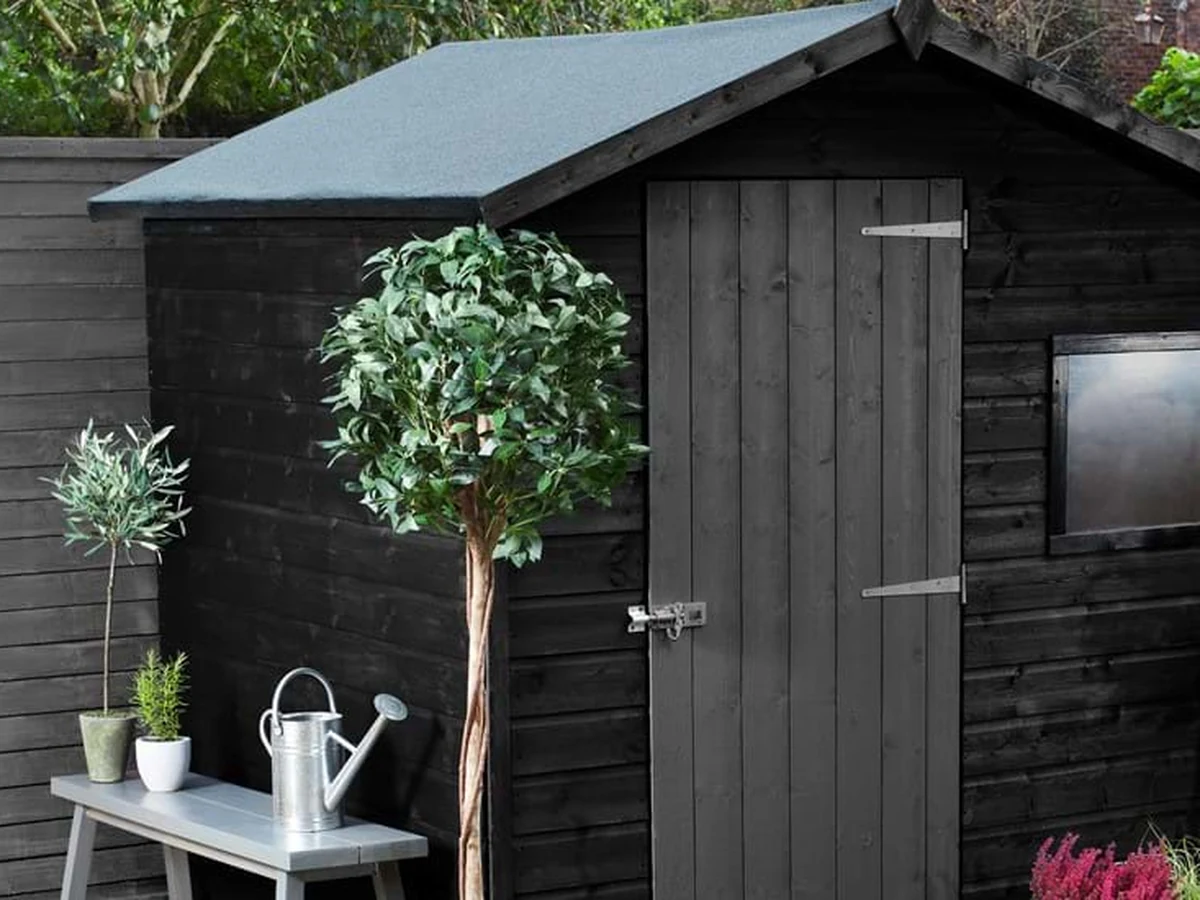
Reading Decorators connects Reading homeowners with a trusted local decorator for wood painting. Coverage includes interior and exterior timber surfaces across Reading and the Thames Valley, from original Georgian interior woodwork in Henley-on-Thames to exterior softwood in garden properties throughout Earley and Woodley.
- Interior hardwood and softwood painting and staining
- Exterior timber surfaces and painted joinery
- Staining, varnishing, and oil finishing
- Stripping and restoration of original woodwork
- Bespoke joinery and fitted carpentry finishing
Georgian and Victorian townhouses in Henley-on-Thames on Bell Street and Norman Avenue have extensive original interior woodwork: wide skirtings, panelled doors, architraves, dado panels, and shuttered window recesses. This woodwork has often been glossed repeatedly since the 1950s, resulting in a thick, uneven film that chips and yellows. Cutting back to a stable base and applying a proper oil-based system restores the original crispness and protects against further build-up.
Call for a free quote.
How Reading Decorators Works
Reading Decorators connects Reading homeowners with a trusted local decorator. Tell us about the job and we’ll match you with the right decorator for your area — one we know and rate.
From the first site visit to the written quote, the work, and the guarantee that backs it, everything is handled directly between you and your decorator. We make the introduction and stay on hand; they do the work and stand behind it.
Why Choose Reading Decorators
Wood Finish Options
Oils, stains, and paints matched to timber species and exposure.
Clear Pricing
Your decorator provides a written quote setting out the price, scope, and terms for any agreed changes.
Fully Insured
Your decorator carries full public liability cover.
Reading and Thames Valley Coverage
Reading Decorators covers wood painting enquiries across Reading and the Thames Valley.
Wood Painting Services
Interior Hardwood
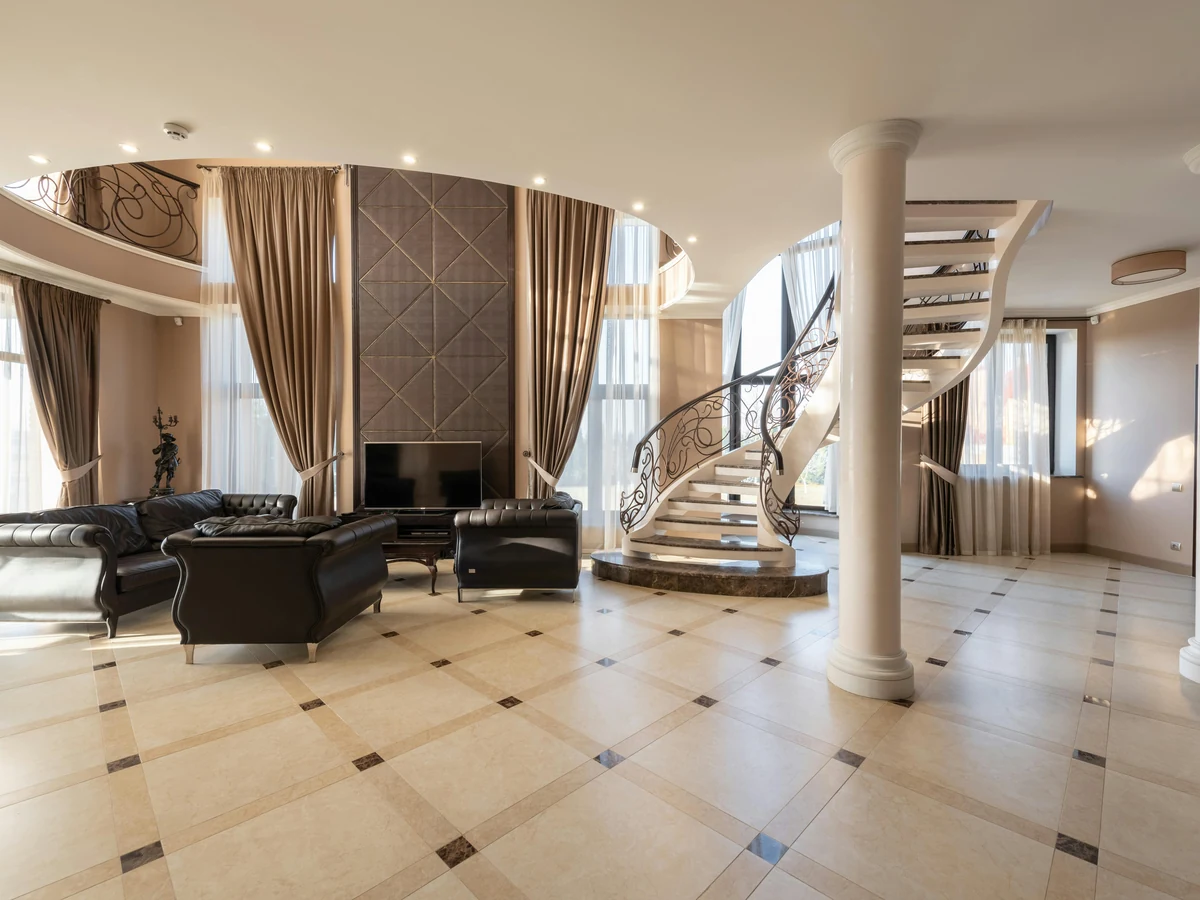
Hardwood interior joinery in period properties throughout Reading and the Thames Valley includes solid oak and hardwood skirtings, window shutters, panelled doors, and staircase components. These surfaces take paint and stain differently from softwood and require appropriate products.
Where the existing finish is in poor condition, the existing finish is stripped back to bare timber. Oil-based systems applied to clean hardwood produce a result that is both more beautiful and more durable than topcoating over a failing existing finish. Georgian townhouses in Henley-on-Thames with original shutters and panelling respond particularly well to this approach.
Exterior Timber
Exterior timber surfaces include window frames, fascias, soffits, gates, garden structures, and cladding. These surfaces face the full force of the Thames Valley’s wet winters, with additional moisture challenges on riverside properties in Sonning, Purley-on-Thames, and Pangbourne.
Your decorator specifies the right exterior timber system for each surface based on the timber type, its exposure, and the degree of weathering. Microporous exterior paints are used on period joinery in original timber to prevent moisture trapping. For the full exterior scope, see the exterior painting page.
Staining and Varnishing
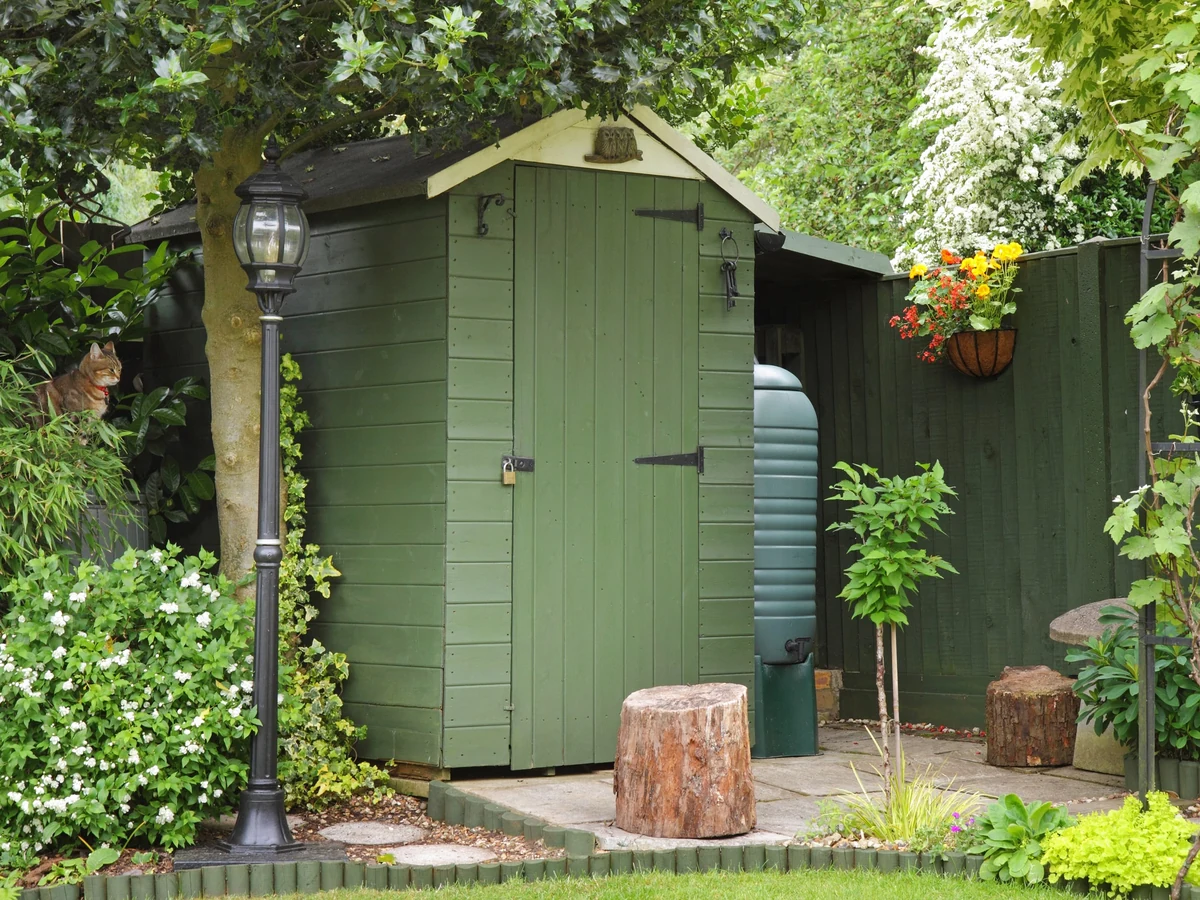
Some timber surfaces are better finished with a stain or oil than with paint. Hardwood garden furniture, decked areas, and outbuildings in the riverside villages are often stained rather than painted to enhance the grain and protect without building a film. Your decorator advises on the right finish type for each surface and application.
Interior hardwood such as oak flooring surrounds, oak door frames, and exposed beam surfaces are sometimes finished in an oil or varnish rather than paint. For deck treatment specifically, see our deck painting page.
Stripping and Restoration
Woodwork that has been painted repeatedly without proper preparation builds up a thick, uneven film over time. This is particularly common in Victorian and Edwardian properties in Caversham and Tilehurst where woodwork has been redecorated every few years since the 1920s. Stripping back to stable bare timber and starting fresh with a proper primer system is the correct approach when the build-up has become excessive.
Stripping is carried out by hand or with heat where appropriate. Aggressive chemical strippers are not used on original timber that may damage the surface below.
Bespoke Joinery
Fitted carpentry, bespoke shelving, alcove cabinetry, and built-in furniture in period properties need the same care as original joinery. Fitted joinery is painted in the correct sequence, starting with internal faces and back panels before fitting and finishing with the external surfaces after fitting.
Speak to a local wood painter today
How Wood Painting Works
1. Timber Assessment
Your decorator inspects the timber type, existing finish condition, and levels of build-up. Your decorator advises on whether stripping is needed and confirms the appropriate product system.
2. Surface Preparation
Stripping is carried out where the existing finish is failing or the build-up is excessive. Sound existing paint is sanded and keyed. Bare timber is cleaned and dried before priming.
3. Priming
Bare timber receives an appropriate primer before any finish coat. Interior timber uses a shellac or oil-based primer depending on the surface. Exterior timber is back primed immediately after stripping to prevent moisture uptake.
4. Finish Coat Application
Oil-based gloss, satin, eggshell, stain, or oil is applied in one or two finish coats depending on the product and timber type. Each coat gets full drying time before the next.
5. Inspection
All timber surfaces are inspected in good light before leaving. Brush marks, runs, and missed edges are addressed before your decorator closes the job.
Request a written quote from your decorator for your timber project.
Wood Painting Costs in Reading
Every scope is different. Every project is different. Call for a precise quote.
Modern Interior Woodwork
A 1980s semi in Earley or Woodley with skirtings, architraves, and doors is confirmed in your decorator’s written quote after a site visit. Modern joinery in stable condition requires minimal preparation and straightforward product selection.
Victorian Interior Woodwork
Period joinery in Caversham or Tilehurst in stable condition is confirmed in your decorator’s written quote after a site visit. Price is driven by the amount of detailed timber profile and any localised stripping required.
Georgian Townhouse Woodwork
A full interior repaint in a Georgian townhouse in Henley-on-Thames, including wide skirtings, panelled doors, architraves, and window shutters is confirmed in your decorator’s written quote after a site visit. Heritage oil-based systems on original joinery add to both cost and durability.
For exterior woodwork as part of a full exterior repaint, see our exterior painting page. Call to arrange a site visit and written quote.